img

官方微信

高级检索

中国沙漠 ›› 2026, Vol. 46 ›› Issue (5): 233-245.DOI: 10.7522/j.issn.1000-694X.2026.00125

• • 上一篇    

基于专利数据的光伏电站水资源循环利用技术发展态势分析

马碧峰1,2(), 任珩1(), 贾信1,2, 孙平安然1,2, 加妙丽1,2   

  1. 1.中国科学院西北生态环境资源研究院,甘肃 兰州 730000
    2.中国科学院大学 经济与管理学院 信息资源管理系,北京 100190
  • 收稿日期:2026-05-31 修回日期:2026-07-03 出版日期:2026-09-20 发布日期:2026-11-02
  • 通讯作者: 任珩
  • 作者简介:马碧峰(2000—),女,甘肃临夏人,硕士研究生,主要从事学科情报与区域发展战略研究。E-mail: mabifeng24@mails.ucas.ac.cn
  • 基金资助:
    国家自然科学基金项目(42577551);国家社会科学基金项目(23XGL035)

Patentometric and evolutionary path analysis of water recycling technologies in photovoltaic power stations

Bifeng Ma1,2(), Heng Ren1(), Xin Jia1,2, Pingan'ran Sun1,2, Miaoli Jia1,2   

  1. 1.Northwest Institute of Eco-Environment and Resources,Chinese Academy of Sciences,Lanzhou 730000,China
    2.Department of Information Resources Management,School of Economics and Management,University of Chinese Academy of Sciences,Beijing 100190,China
  • Received:2026-05-31 Revised:2026-07-03 Online:2026-09-20 Published:2026-11-02
  • Contact: Heng Ren

摘要:

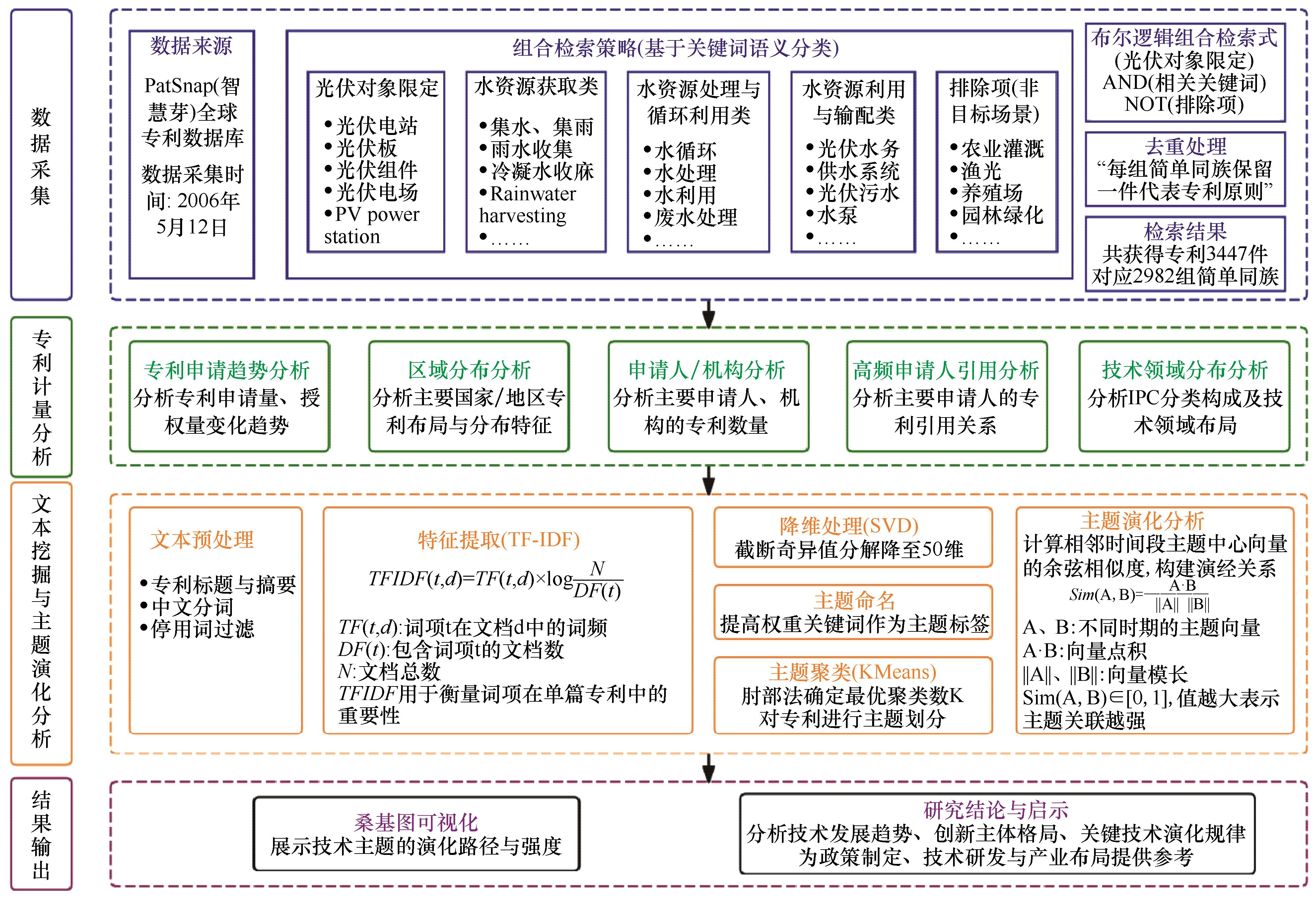
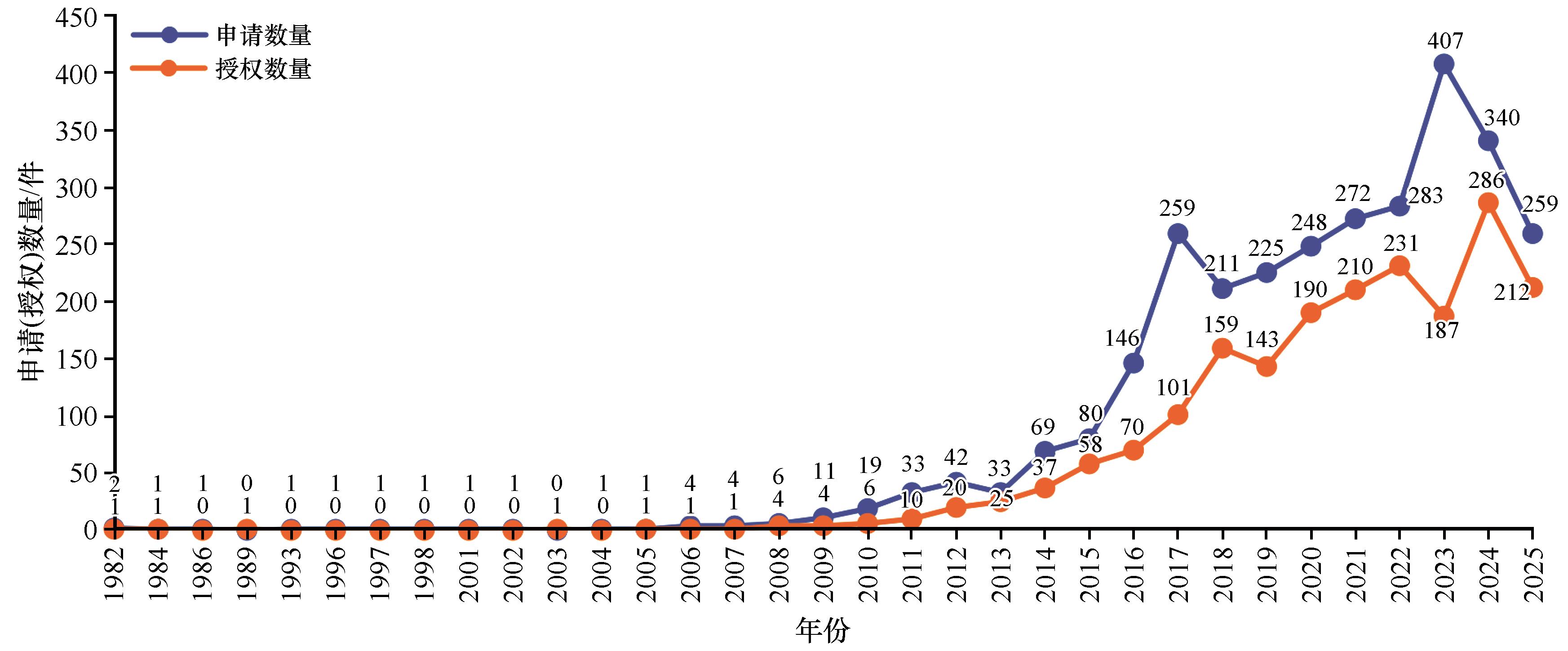
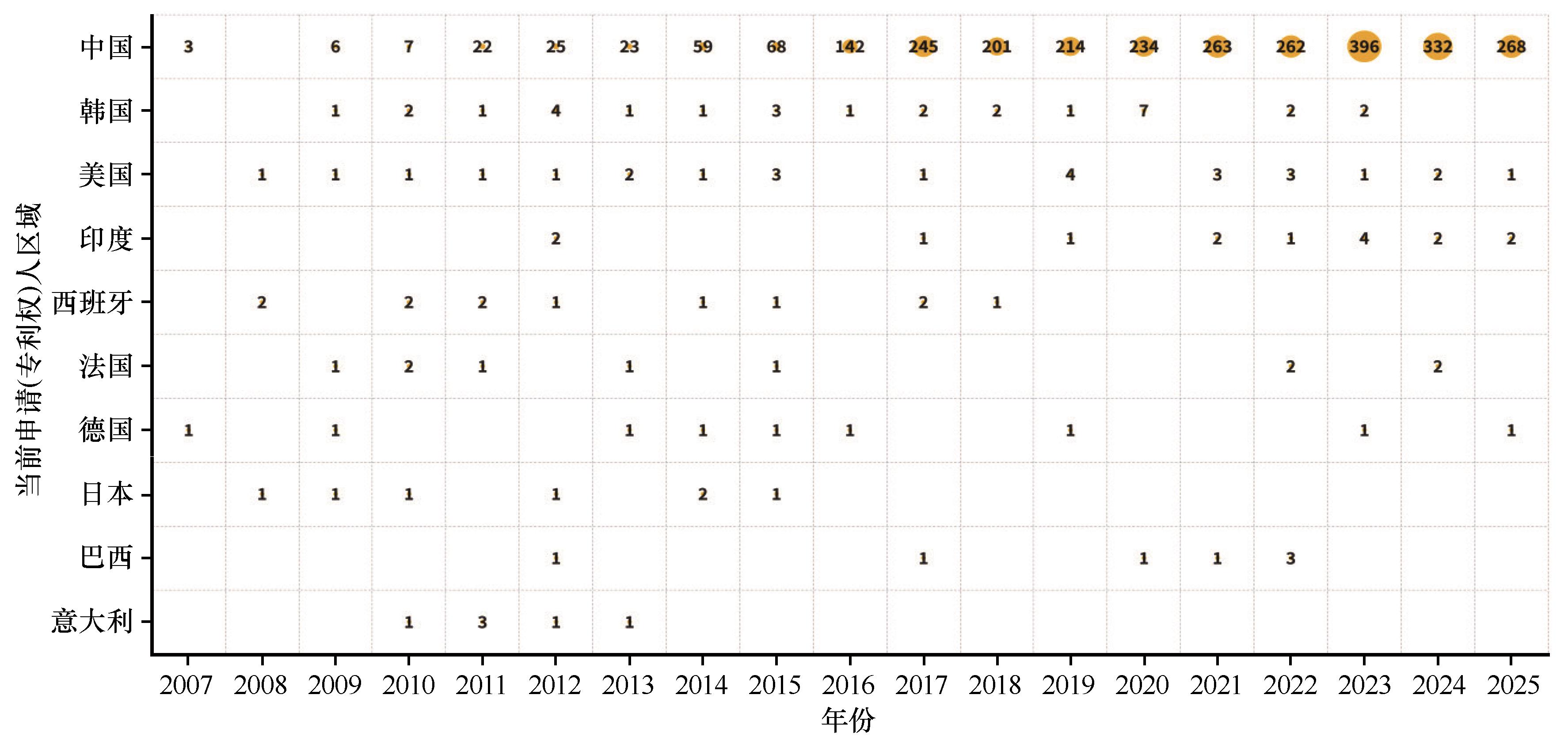
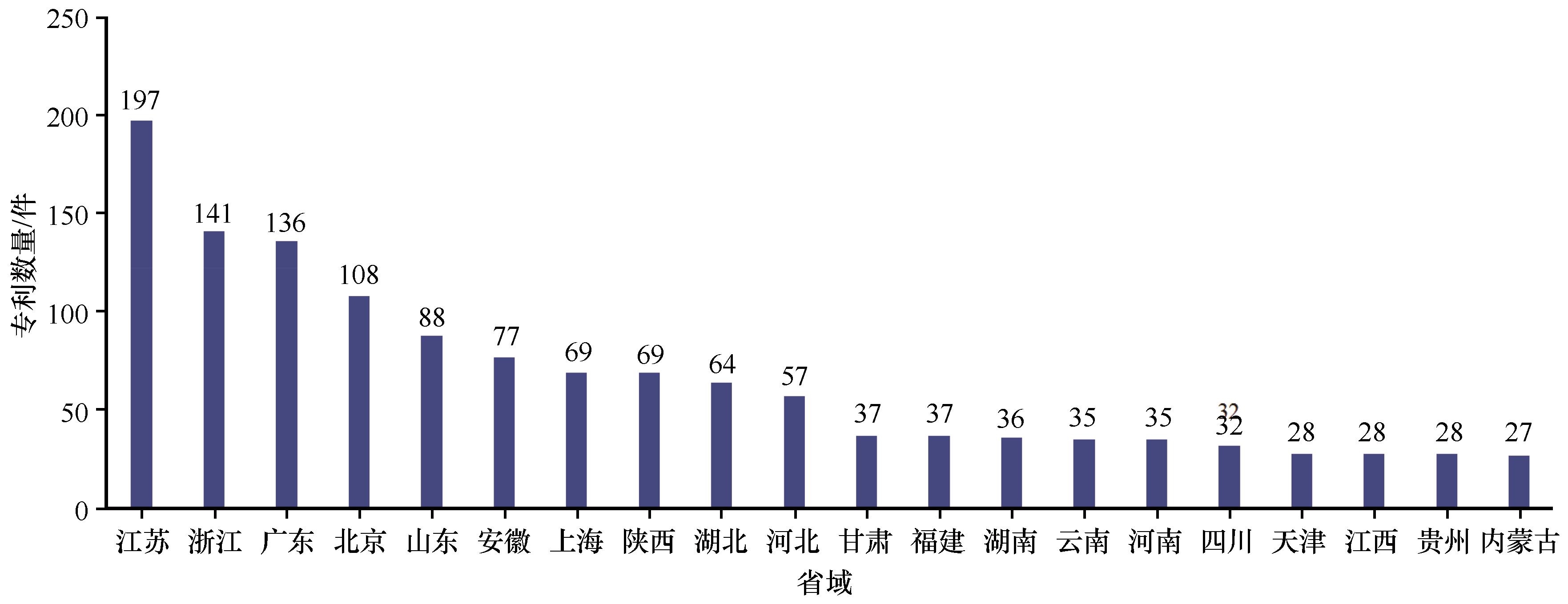
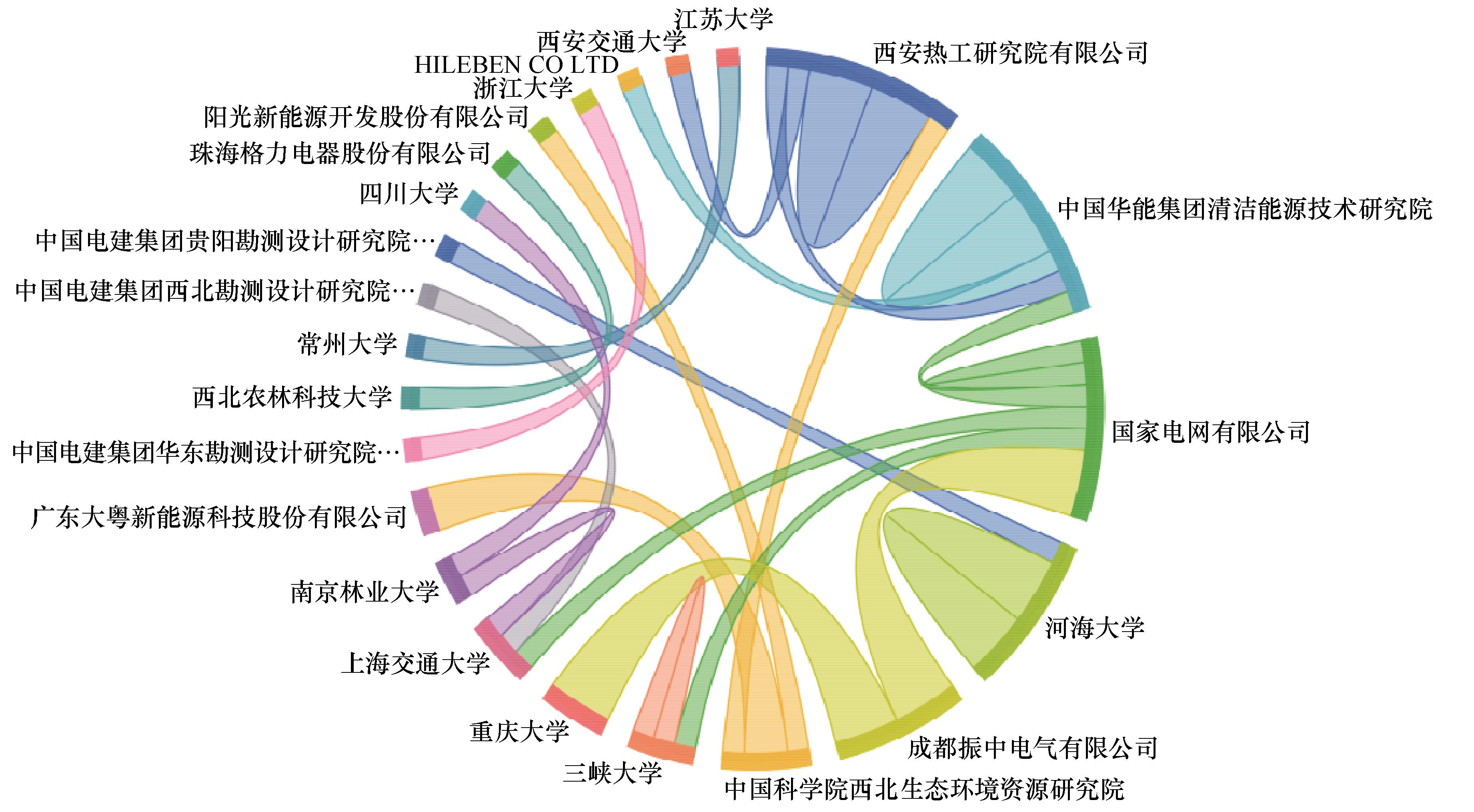
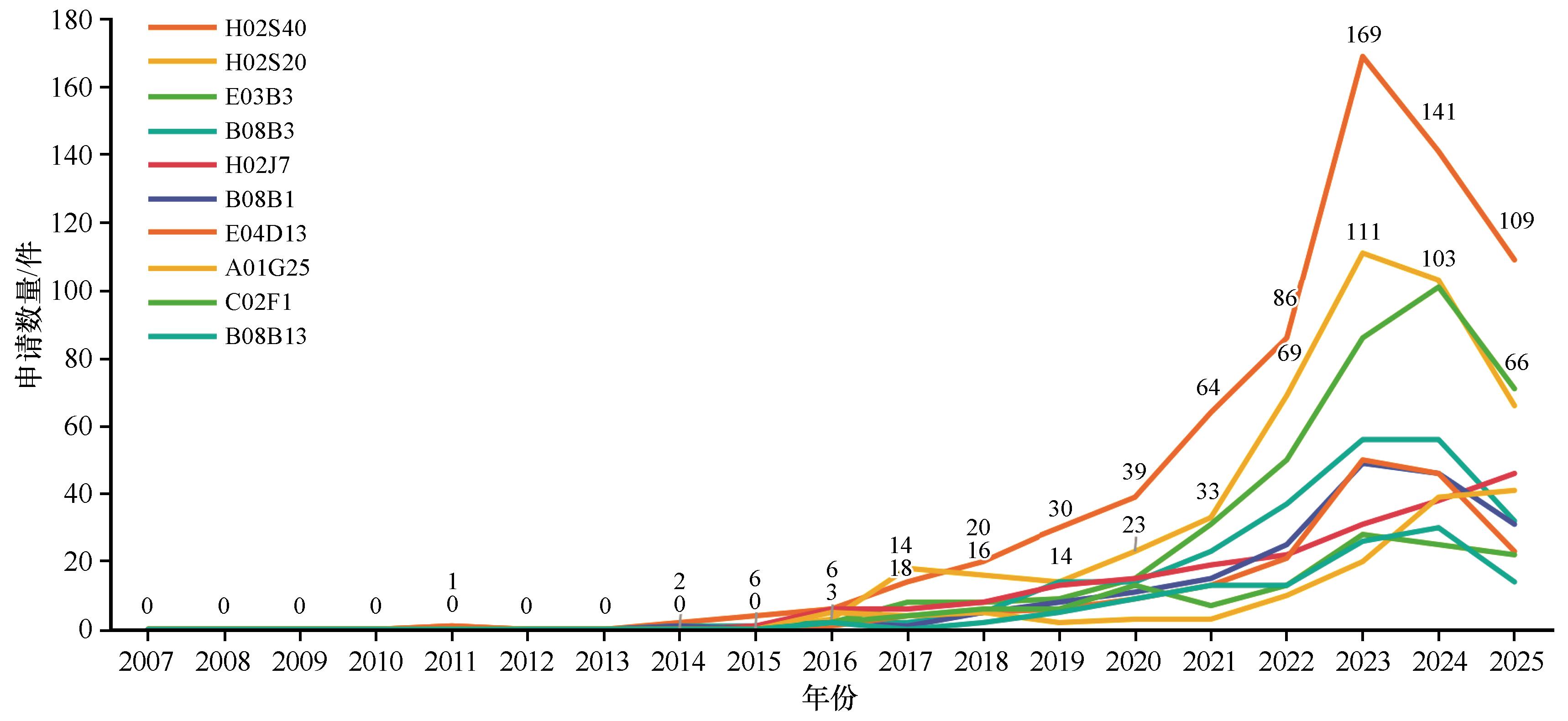
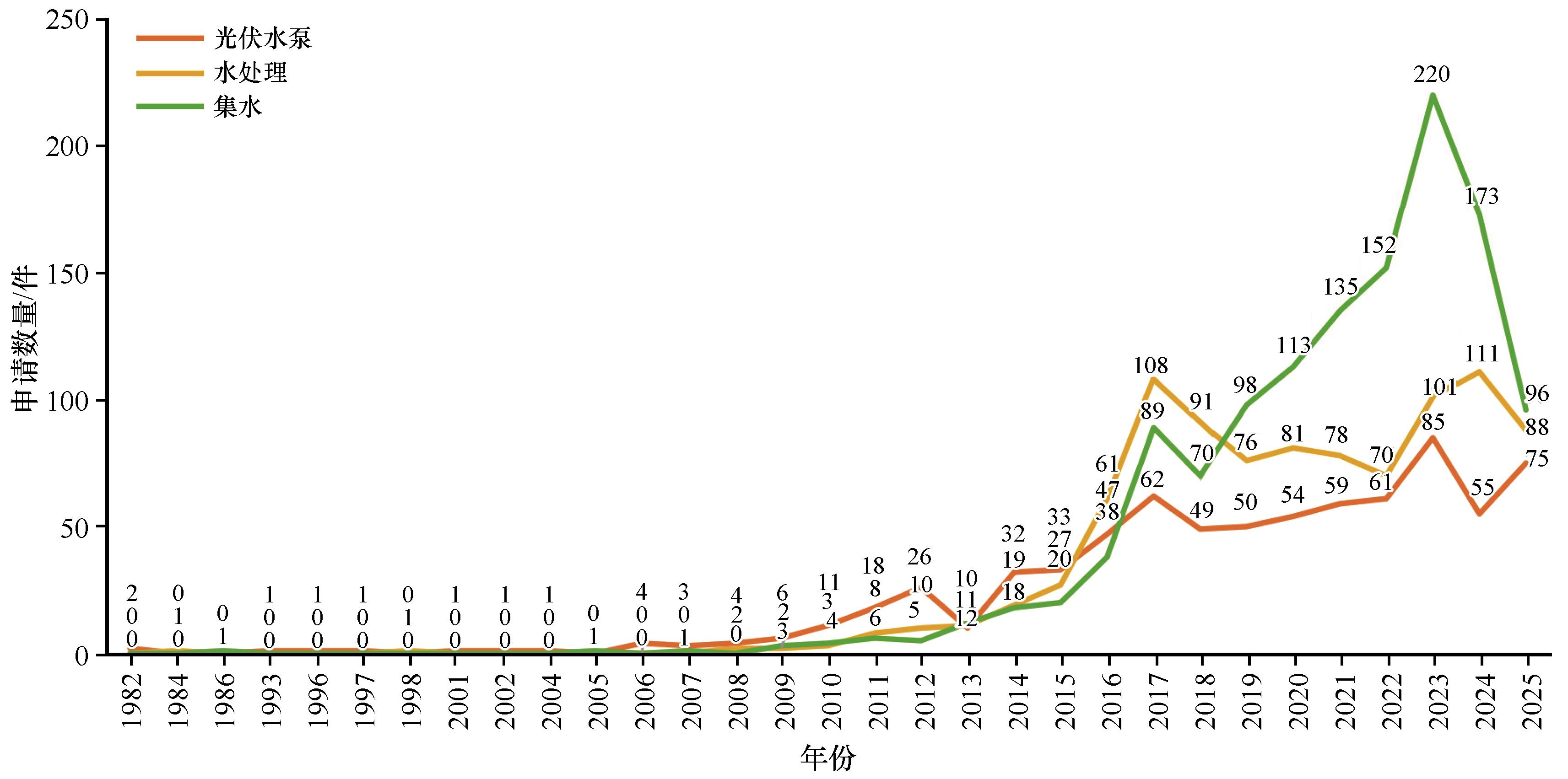
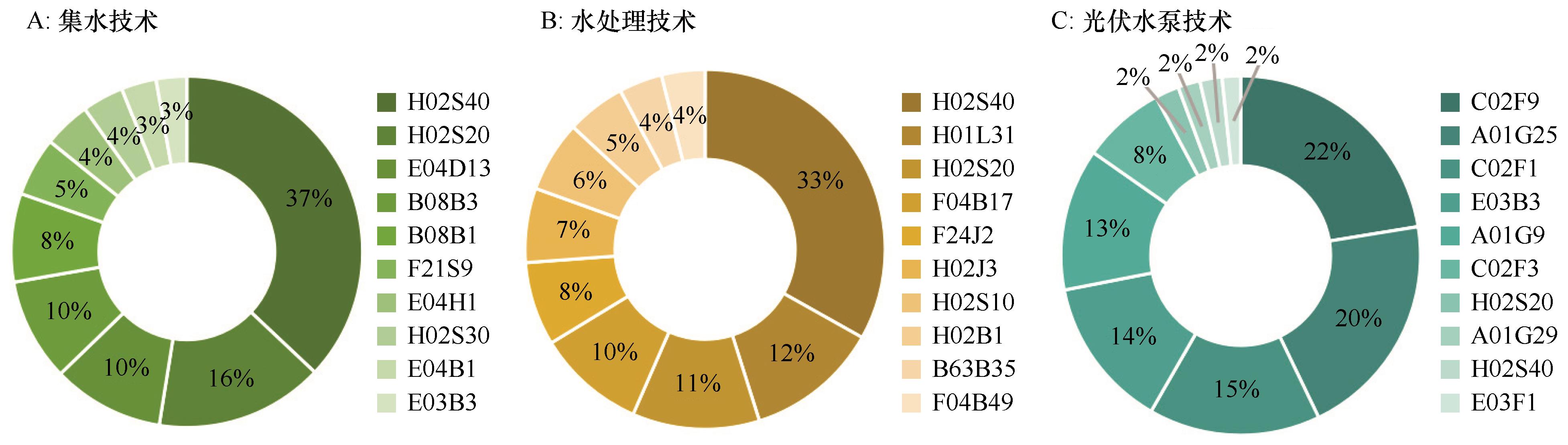
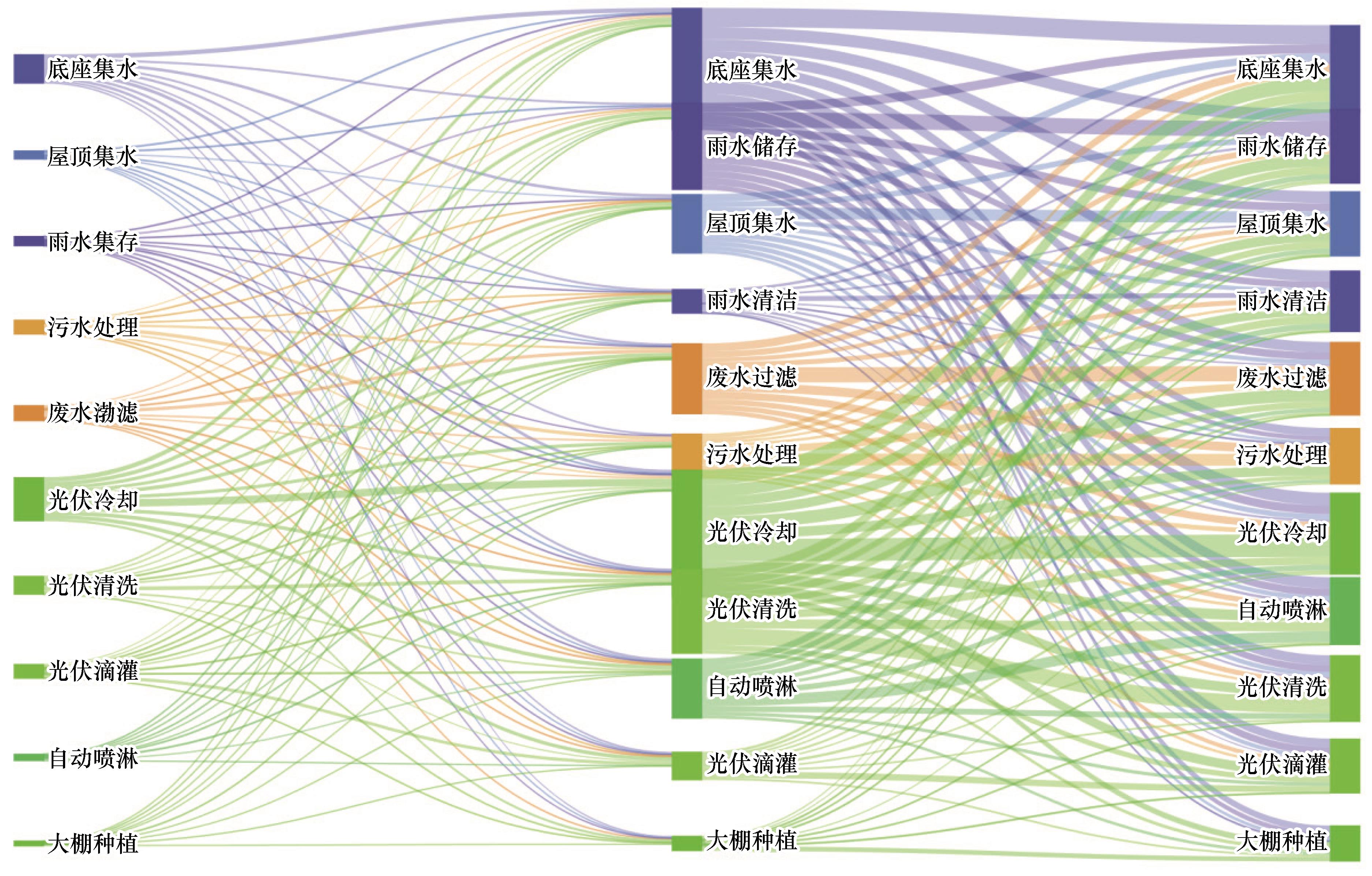
在“双碳”目标与荒漠大型光伏基地建设持续推进的背景下,光伏电站运行过程中面临的水资源短缺与高耗水运维问题日益突出,水资源循环利用技术逐渐成为保障光伏电站可持续运行的重要方向。本文基于PatSnap全球专利数据库,以光伏电站水资源循环利用技术为研究对象,采用专利计量分析、文本聚类与技术演化分析相结合的方法,对全球相关专利的申请趋势、地域布局、申请人结构、技术主题及演化路径进行系统研究。结果表明:全球光伏电站水资源循环利用技术已由早期局部功能改进,逐步演化为涵盖集水、净化、储存、输配与智能调控的系统化技术体系;中国已成为全球最主要的技术创新主体,但高价值核心专利仍相对不足。技术结构方面,领域已形成集水技术、水处理技术与光伏水泵技术三大核心分支,其中集水技术专利布局最为密集,水处理技术系统集成特征明显,光伏水泵技术则表现出较强的智能控制导向。技术演化方面,领域创新路径呈现由单一设备优化向多技术协同与资源流闭环控制演进的总体趋势,物联网监测、智能调度及生态协同应用逐渐成为重要发展方向。

关键词: 光伏电站, 水资源循环利用, 专利计量, 技术演化, 主题分析

Abstract:

Under the background of the Dual Carbon Goals and the continuous expansion of large-scale desert photovoltaic bases, the contradiction between photovoltaic power station operation and water resource scarcity has become increasingly prominent. Water recycling technologies have gradually become an important approach to ensuring the sustainable operation of photovoltaic power stations. Based on the PatSnap global patent database, this study takes water recycling technologies in photovoltaic power stations as the research object and employs patentometric analysis, text clustering, and technological evolution analysis to systematically investigate patent application trends, regional distribution, applicant structure, technological themes, and evolutionary paths. The results indicate that global water recycling technologies for photovoltaic power stations have evolved from early-stage local functional improvements into an integrated technological system covering water harvesting, purification, storage, distribution, and intelligent regulation. China has become the dominant technological innovation contributor in this field, although the proportion of high-value core patents remains relatively limited. In terms of technological structure, three major branches have emerged, including water harvesting technologies, water treatment technologies, and photovoltaic water pumping technologies. Among them, water harvesting technologies exhibit the most intensive patent layout, water treatment technologies show strong system integration characteristics, and photovoltaic water pumping technologies demonstrate a clear orientation toward intelligent control. From the perspective of technological evolution, the innovation trajectory has shifted from single-device optimization to multi-technology collaboration and closed-loop resource flow control, while IoT monitoring, intelligent scheduling, and ecological collaborative applications are becoming important development directions.

Key words: photovoltaic power station, water recycling, patentometrics, technological evolution, topic analysis

中图分类号: